Earth Day, celebrated annually on April 22, inspires people worldwide to practice environmental sustainability and preservation. This article explores its history and six key reasons to celebrate.
Discover five practical ways businesses can celebrate Earth Day and reduce their environmental impact, from sustainable office switches to carbon offsetting.
Many businesses prioritize sustainability but worry about costs. This guide reveals practical, affordable strategies to reduce carbon emissions without excessive spending.
Taking climate action isn't only beneficial for the Earth. Creating sustainability initiatives can be advantageous for your company's brand and attract more business.
Scope 1, 2 and 3 emissions examples across different industries show how carbon hotspots shift dramatically depending on what a business does.
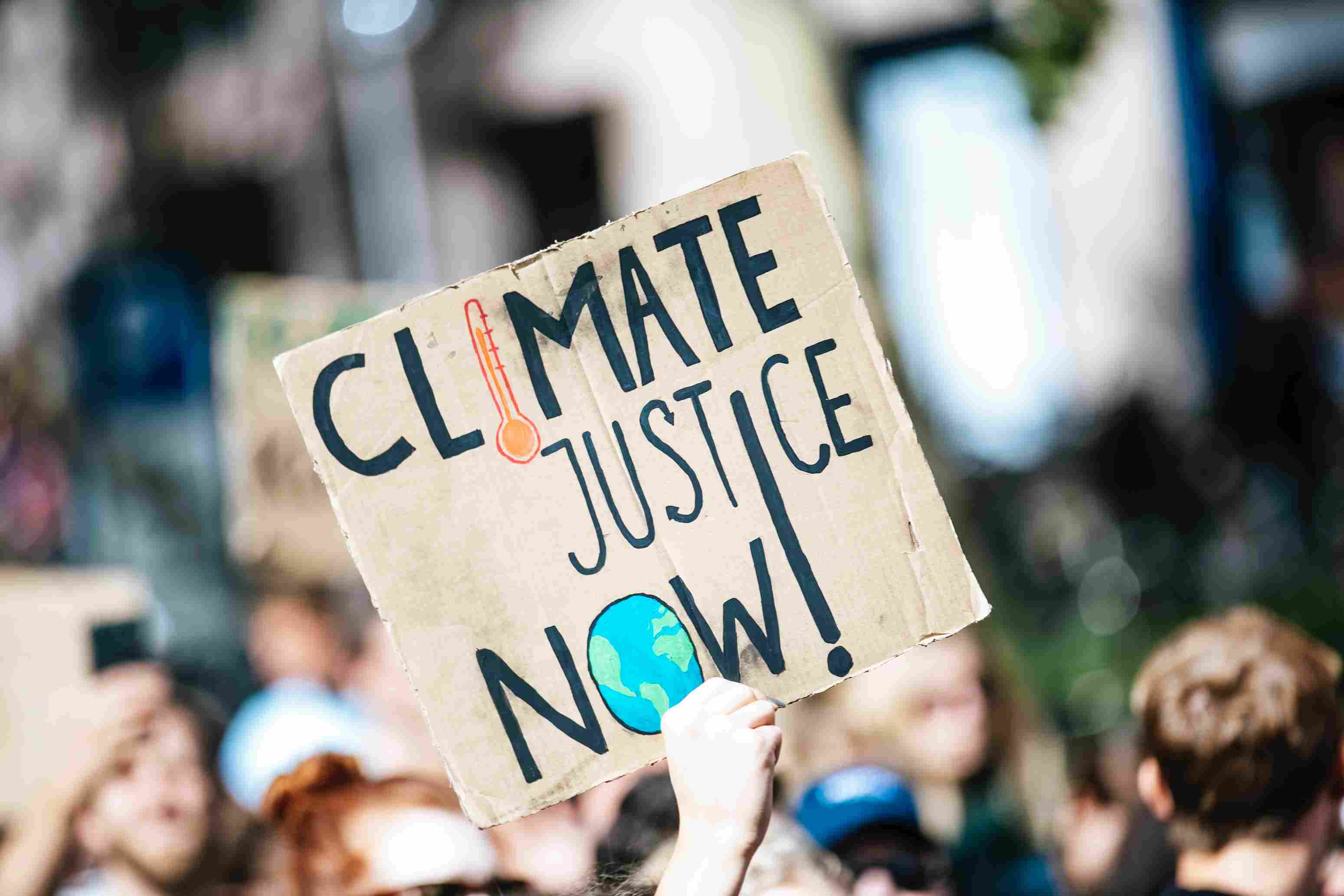
Climate justice recognizes that the effects of climate change are not distributed equally—the communities least responsible for emissions often bear the greatest burden.
A concise visual guide to mastering Scope 1, 2, and 3 emissions under the GHG Protocol for audit-ready sustainability reporting.
Learn the essentials of scope emissions under the GHG Protocol and stay ahead of consumer, investor, and regulatory expectations.
An overview of three major sustainability reporting frameworks—ESRS, ISSB, and SEC rules—explaining their differences, scope, and how companies can prepare for evolving disclosure requirements.
Climate accounting software helps businesses collect carbon data, measure their footprint, and plan emission reductions—replacing error-prone spreadsheets with automated, audit-ready reporting.
Despite 85% of organizations expressing concern about reducing greenhouse gas emissions, only 9% can comprehensively quantify their total emissions. This article evaluates five leading carbon accounting software platforms.
Transparent ESG reporting helps companies build trust, stay compliant, and lead in sustainable business practices—avoiding both greenwashing and its quieter counterpart, greenhushing.
A comprehensive FAQ guide covering how to develop a sustainability program, form a team, create a charter, set goals, and establish reporting and certification processes.
Small and medium-sized businesses can significantly reduce their environmental impact by adopting sustainable supply chain practices, potentially lowering greenhouse gas emissions by up to 50%.
Greenhushing occurs when organizations intentionally hide or downplay genuine sustainability efforts due to fear of criticism or greenwashing accusations, creating significant business risks.
B Corp, LEED, and ISO 14001 certifications each take a different approach to sustainability. Understanding the differences helps businesses choose the right path.
ESG certifications validate sustainability efforts and elevate ESG reporting standards—transforming compliance into a credibility story that builds stakeholder trust.
The world of carbon and sustainability reporting is evolving fast. This guide answers 22 frequently asked questions to clear the confusion around key terms and tools.
ISO 14001 sustainability certification delivers enhanced environmental performance, cost savings, compliance, and stronger brand reputation for organizations of all sizes.
How businesses can earn and maintain recognized sustainability certifications to demonstrate environmental accountability, improve brand reputation, and attract conscious consumers.
Conscious consumers increasingly prioritize sustainability in purchasing decisions. Discover how climate awareness is reshaping buyer behavior and what businesses can do to meet these expectations.
How transparent emissions reporting can drive compliance, credibility, and competitive advantage—and why every business should start now.
Climate change poses significant financial, reputational, and operational risks to businesses of all sizes. Learn why acting now is essential for long-term success.
Learn what ESG reporting is, why it matters for businesses today, and how it helps drive sustainability, transparency, and long-term value.
As carbon markets approach $100 billion by 2030, regulations ensuring offsets are genuine, measurable, and impactful become essential for businesses committed to climate action.
A comprehensive guide to EcoVadis reporting standards in 2025, covering assessment processes, new updates, and how businesses can prepare for sustainability evaluation.
Comparing two carbon accounting platforms to help businesses choose the right tool for tracking emissions, meeting compliance requirements, and building stakeholder trust.
In a world shaped by climate challenges and evolving customer needs, conscious consumption is no longer just a buzzword—it's a business imperative.
An overview of CDP reporting standards for 2025, covering what businesses need to know about this widely-used environmental disclosure platform, who must report, and how to prepare.
Sustainability literacy empowers employees to make informed decisions about environmental impact, driving innovation, regulatory compliance, and competitive advantage for organizations.
Carbon offsets compensate for emissions by funding environmental projects. Learn what they are, when to use them, and how to evaluate quality offset projects.
Building a genuine culture of climate action requires organization-wide commitment—not just green marketing. Here are practical strategies for embedding sustainability into how teams think and work.
Circular business models reduce waste, lower costs, and build competitive advantage by keeping resources in use longer rather than following the traditional make-use-discard pattern.
Summer vacations offer opportunities to explore while reducing environmental impact through mindful packing choices that minimize waste and carbon emissions.
Renewable energy sources like solar, wind, hydro, geothermal, and biomass offer businesses cost savings, competitive advantages, and energy independence while reducing carbon emissions.
A comprehensive comparison of Aclymate and Greenly carbon accounting platforms, examining pricing, features, and which tool suits different business needs.
Climate reporting has become essential for businesses to remain competitive. Between regulatory requirements, certification standards, and stakeholder expectations, companies must understand whether they need emissions documentation.
With new regulations and shareholder pressure, businesses can no longer afford to ignore Scope 3 emissions—the largest and most complex part of most companies' carbon footprints.
Tourism accounts for roughly 8% of global carbon emissions. This guide offers practical strategies for reducing your environmental impact during summer vacations.
Learn about composting's ancient origins, environmental benefits, and practical steps to start your own composting system at home or at work.
Explore sustainability strategies for the promotional products industry, including certifications, eco-friendly materials, ethical sourcing, and quality-focused approaches.
An overview of sustainability certifications available to businesses, including B Corp, Cradle to Cradle, Fair Trade, ISO 14001, LEED, and more, along with their benefits and costs.
An exploration of Formula 1's sustainability commitments and the carbon footprint generated by the Miami Grand Prix racing event.
Explore sustainable ground transportation options for events, including emissions data for public transit, shuttles, cars, and rideshare services.
A comprehensive guide to carbon reporting, including how to calculate emissions, relevant standards, and best practices for businesses.
Learn about the Science Based Targets initiative and how setting SBTi targets can benefit your business while combating climate change.
Climate policy is evolving rapidly, and for businesses, it's becoming a strategic concern rather than just a compliance matter. Companies that prepare early will stay ahead.
Before your company can take meaningful steps to reduce its carbon footprint, you need to understand your baseline emissions. Here's a three-step approach to get started.
Recognition of five young women climate activists making significant environmental impact globally and in their communities during Women's History Month.
Two primary methods for estimating carbon emissions—spend-based and activity-based accounting—offer distinct advantages and limitations for organizations seeking accurate emissions data.
Simple, impactful changes like LED lighting, sustainable snacks, ergonomic furniture, remote work options, and reusable bottles can significantly reduce an office's environmental footprint.
Guide to measuring business carbon footprint using the GHG Protocol's three emission scopes: direct, indirect energy, and value chain emissions.
Numerous government tax incentives, grants, and subsidies can offset the costs of implementing sustainable business practices—at both federal and state levels.
Companies can demonstrate environmental commitment through transparency, storytelling, certifications, sustainability reports, education, and customer engagement while avoiding greenwashing.
As the New Year begins, here are climate-focused resolutions for both individuals and their organizations to consider for 2025.
Carbon offsets have emerged as an essential tool in the sustainability toolkit. Offsetting is about more than just cleaning up emissions—it's about investing in projects that support global climate action.
Spend-based emissions are the starting point for understanding Scope 3 emissions. Here's how to identify material contributors and take targeted action to reduce them.
This Black Friday, discover climate-conscious brands and sustainable gift options that align with environmental values while supporting greener businesses.
We were frustrated that every time we spoke to people who wanted to act on climate, we ended up having to educate them on all the complexities of carb…
Things are moving quickly for businesses around the issue of climate change. No longer merely considered a social issue used to identify with certain …
Over the decades, schools have been the breeding ground for environmental change. In recent years, climate action protests have been seen in the young…
We all love a sparkling clean home, but did you know that many traditional cleaning products are packed with toxic chemicals and come in plastic packa…
In a traditional greenhouse, sunlight shines through the glass causing heat to get trapped, warming up the structure. Earth’s atmosphere works similar…
The cosmetics industry has dominated the world for centuries. As of 2023, it was worth $528.6 billion and growing daily. Its modern-day dominance…
While travel brings incredible experiences, it is important to acknowledge the effects it can have on the climate. As a traveler, you have the power t…
A net zero business reduces its emissions wherever possible and offsets emissions that can’t be reduced any further. The goal is a 50% emissions cut b…
To do a good job in the fight against climate change and to reduce your organization's emissions, it's important you know the arguments agai…
This July, we challenge you to join what the Plastic Free Foundation has named “Plastic Free July.” The movement calls for consumers everywhere to t…
Employees play a significant role in a company’s carbon footprint, with commuting and business travel often topping the list of contributors. Today, A…
Events can be a major source of carbon emissions, but with thoughtful planning, they can align with your company’s sustainability goals.
Achieving climate efficiency often goes hand-in-hand with operational efficiency. By transitioning to cleaner technologies and optimizing logistics, c…
Travel is an important aspect of many businesses, but it often comes with a big environmental cost. As a climate-conscious organization working toward…
Managing a company’s carbon footprint involves addressing emissions across multiple areas, including utilities such as heating, electricity, and waste…
Environmental responsibility and sustainability are becoming increasingly important for both businesses and individuals. As the effects of climate cha…
Are you looking to spruce up your home office? Working in a space that you love decreases stress, improves productivity, and promotes an overall sense…
The wind blows pretty steadily across the plains of South Dakota, making it an obvious choice for wind farming. The Crow Lake Wind Project near Chambe…
For centuries, Indigenous peoples around the world have fostered a deep connection with nature, rooted in their respect for the land, water, and biodi…
We all can picture our younger selves impatiently waiting at the kitchen table as the aroma of freshly baked cookies wafts through the house. These co…
As we reach the final weekend of Black History Month, we reflect upon the efforts of many Black environmental leaders who have pushed for a better lif…
Did you know that companies with fewer than 500 employees in the United States would likely be the fourth largest climate polluters on the planet? Re…
Balancing financial success with sustainability practices can be a challenge for many companies. Becoming a B Corp allows businesses to focus on their…
Every choice we make leaves an imprint on our planet - from the energy we use to the products we buy. Decisions that may seem small have the power to …
This article explores the emergence of climate anxiety, explaining its causes and symptoms. Effective strategies to help business leaders address clim…
Have you ever walked into a grocery store and seen items with green packaging or a product that’s labeled as “sustainable”? While some brands are legi…
*If you’re here, you probably had a little surprise dropped in your lap – your boss, a client, or both – now need your company to report its impact on…
I have been thinking about and working on climate for a few years now. In that time, I have watched as friends, family, and even strangers begin to re…
Achieving net zero emissions is a really important measure of how well a company is doing, and it should be a big focus when company leaders meet to m…
World Wildlife Day falls on March 3rd each year and celebrates the significance of preserving wildlife and its impact on the state of the world. The …